






























A local council is investigating claims that a traveller site has expanded without permission.
Maidstone Borough Council (MBC) have confirmed that their team is looking into claims that the site in Headcorn, Kent, has more than quadrupled in size.
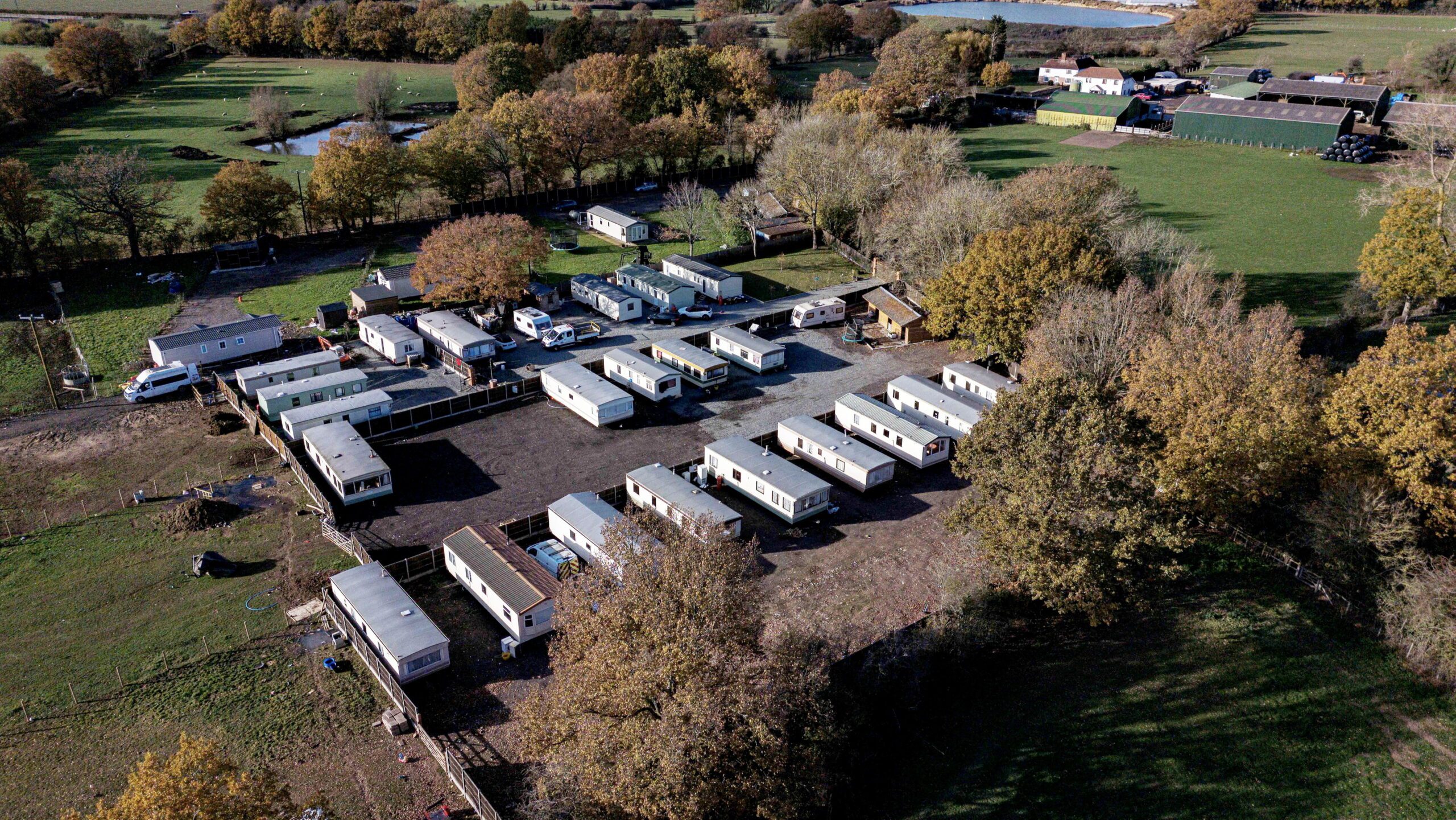
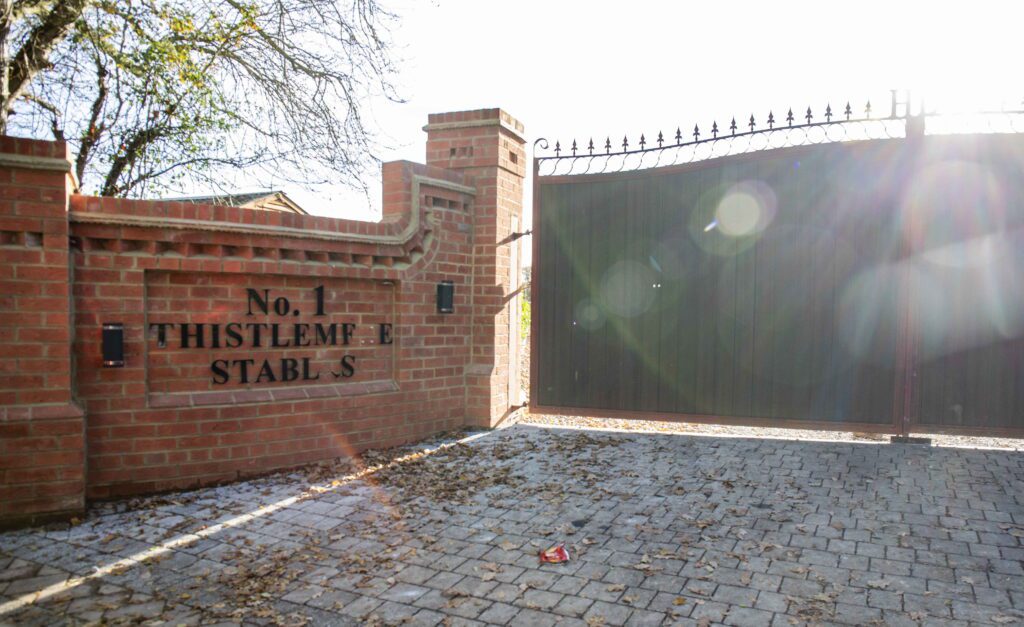
Thistlemere Stables in Love Lane is believed to have permission for three caravans and three mobile homes on the site.
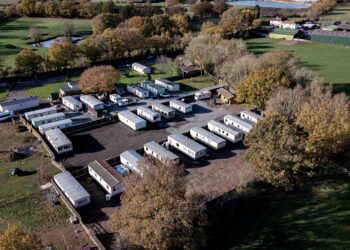
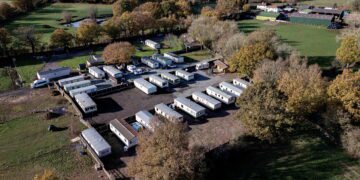
But, aerial photos reveal there are now more than 20 homes on the land.
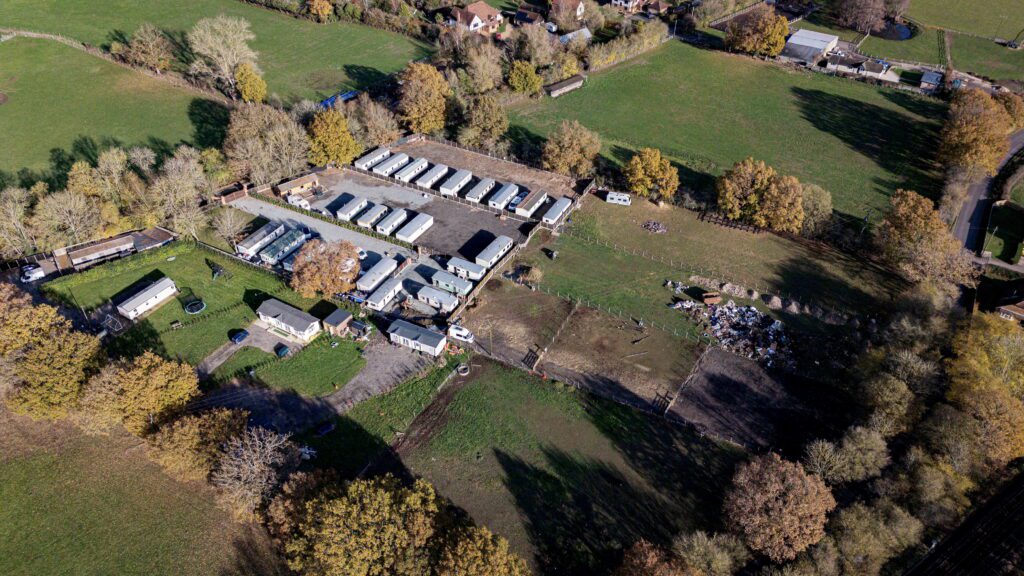
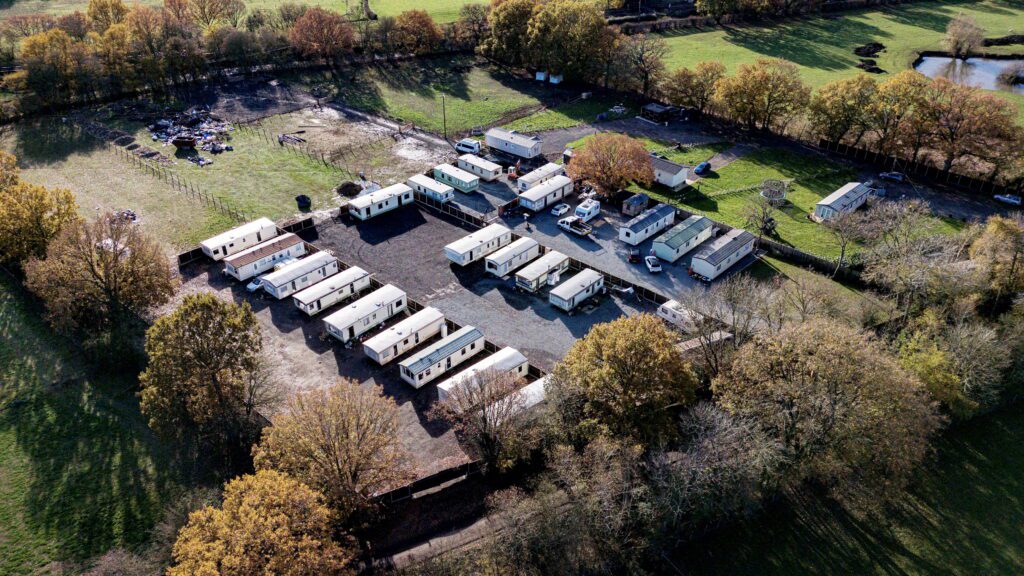
Following complaints from locals over the alleged expansion, an investigation has officially been launched.
A MBC spokesperson said: “Maidstone Borough Council is aware of concerns regarding the number of caravans and mobile homes currently on land at Love Lane, Headcorn.
“The council’s Planning Enforcement Team is investigating to establish whether there has been a breach of planning control.
“Planning enforcement is a legal process and each case must be assessed on its individual circumstances and the available evidence. It would therefore be inappropriate for the council to speculate on the outcome of any investigation or potential enforcement action at this stage.
“Should a breach of planning control be identified, Maidstone Borough Council will consider the available options and take action where it is appropriate, in accordance with planning legislation.”
The plans which had been approved were previously met with concerns from locals over noise and the value of their houses.
One wrote: “There is already an unproportionate amount of Gypsy/Traveller sites, south of Maidstone from Headcorn to Paddock Wood, illegally developed on Rural land without proper ecological and environmental surveys.
“This being retrospective planning falls into this category. The site will impact on the rural area and devalue neighbouring properties.
“This being a permanent site indicates that the GT’s are no longer travelling and can settle into housing, purchased or rented as do the greater population.
“Gypsy/travellers only represent one per cent of the UK population, the area of this site has a greatly unproportionate settlement of GT’s in rural areas.”