


























When your front door sits just a few steps from the pavement, keeping everyday life private takes a little thought. A passer-by might see straight into the hallway, while opening the door to a courier can reveal more of your home than you intended. For terraced houses and homes with shallow front gardens, the most useful improvements start with understanding what is visible from outside.
Start with the door itself
Consider how much of the entrance needs to be glazed and where solid panels would offer greater privacy. If you are also reviewing security, a reinforced door can form part of that discussion with your supplier. Ask separately about construction, locking arrangements and glazing: a door’s strength does not tell you how much someone can see through it. Look at the complete design before choosing a finish or decorative detail.
Keep daylight without an open view
Glazing can brighten an entrance that would otherwise feel enclosed, but its position matters as much as its size. A high-level panel may admit daylight while limiting views at eye level. Obscure or textured glass is another option, although different patterns provide different levels of screening. Ask to see samples rather than judging from a small photograph. Check the effect after dark, too, when indoor lighting can make silhouettes and movement more noticeable from the street.
Check what an open door reveals
Even a completely solid door provides little visual privacy while it is open. Stand outside and ask someone to open it as they normally would. Can you see a sofa, a desk covered in paperwork or the route towards a bedroom? Sometimes moving a console table or repositioning a mirror changes the view considerably. Where space allows, a carefully placed screen can interrupt a direct sightline. Keep the entrance and door swing clear so that the arrangement remains comfortable to use.
Create a boundary before the threshold
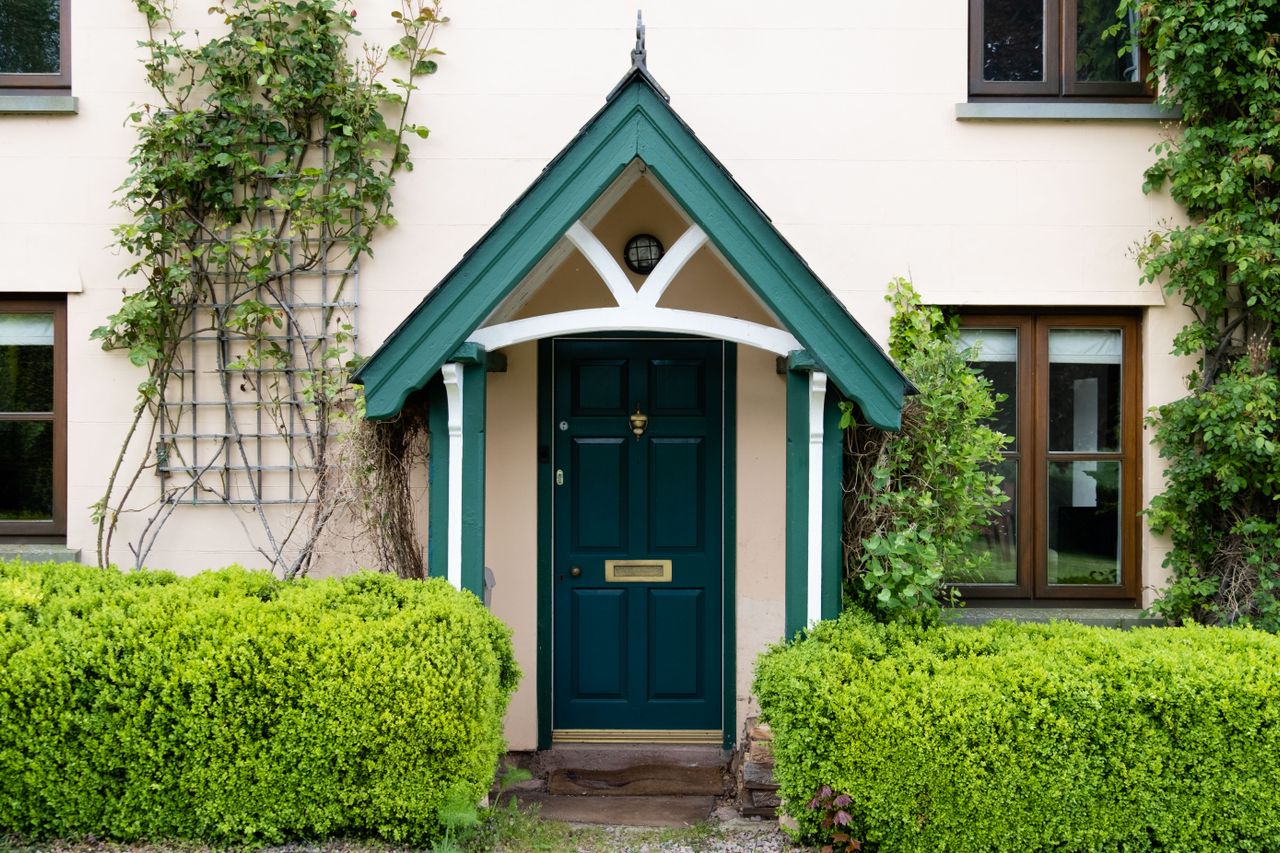
A small front garden can provide a useful transition between public pavement and private home. Low planting, a modest fence or a gate can make that boundary clearer without enclosing the entire frontage. Choose planting for its mature size, allowing room for people carrying shopping or pushing a pram. Avoid creating a cramped approach or hiding the doorway behind dense growth. If the door opens directly onto the pavement, focus on changes within your own entrance.
Make doorstep conversations easier
Privacy also depends on how you receive visitors. A door viewer or video intercom lets you check who is outside before opening up. Position the bell where visitors can find it easily, rather than encouraging them to peer through nearby glass. For deliveries, consider whether there is a suitable parcel box or sheltered place away from the immediate doorway. Clear delivery instructions can help couriers find it, reducing the need to leave the entrance open while discussing where a parcel should go.
Review the entrance from the street
Before buying anything, inspect your entrance during daylight and again with the hall lights on. Look through glazed panels from ordinary pavement positions, then repeat the exercise with the door partly open. This simple check helps identify the actual source of discomfort. You may need different glazing, a change to the hallway layout or a clearer front boundary. Choosing improvements around those observations makes it easier to create an entrance that feels welcoming while giving daily life a little more privacy.